


Breaking the Silence: Why Therapy Matters for Men

For generations, many men have been taught explicitly or implicitly that strength means silence. Emotions are often pushed aside, vulnerability is seen as weakness, and asking for help can feel uncomfortable or even shameful. But the reality is this: mental health does not discriminate, and avoiding support doesn’t make struggles disappear; it often deepens them.
Therapy offers men a space where they can be honest, reflective, and supported without judgment. It creates an opportunity to unpack stress, anxiety, depression, relationship challenges, and the pressure to “hold it all together.” In a world that often expects men to suppress their emotions, therapy encourages the opposite: understanding, expressing, and working through them.

One of the biggest barriers for men entering therapy is STIGMA. Many fear being perceived as weak or worry that they should be able to handle everything on their own. However, seeking therapy is not a sign of weakness; it’s a sign of self-awareness and courage. It takes strength to confront what’s difficult and to invest in personal growth.
Therapy can also help men develop healthier coping strategies. Instead of turning to avoidance, anger, or isolation, men can learn skills to manage stress, communicate more effectively, and build deeper, more meaningful relationships. This benefits not only the individual but also families, partners, and communities.
Another important aspect is emotional literacy. Many men were never taught how to identify or express their feelings. Therapy helps build that language, making it easier to understand what’s happening internally and to share it constructively with others.

It’s also worth noting that men are statistically less likely to seek mental health support, yet are at higher risk for certain outcomes like substance misuse and suicide. This makes normalizing therapy for men not just important but essential.
“Real strength is not about carrying everything alone—it’s about knowing when to ask for help and having the courage to face yourself.”
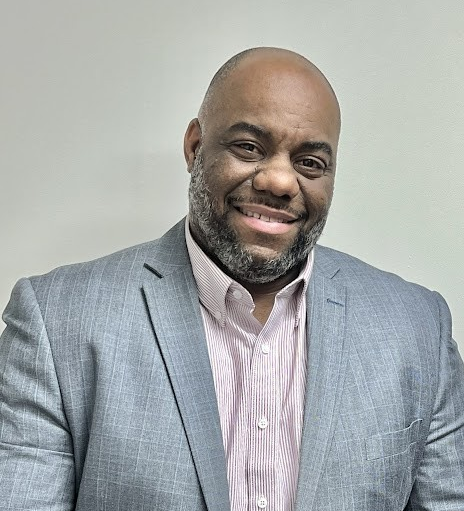
— Edison Jaquez, Mental Health Therapist & Certified Drug and Alcohol Counselor

As therapists, we play a key role in reshaping this narrative. By creating welcoming, nonjudgmental spaces and openly discussing the value of mental health care, we can help men feel more comfortable taking that first step.
The conversation around men’s mental health is changing, but there is still work to be done. Encouraging men to seek therapy isn’t about changing who they are; it’s about giving them the tools and space to become healthier, more connected versions of themselves. Because strength isn’t about staying silent.
Sometimes, it’s about speaking up.

Edison Jaquez, LAC, LCADC
Licensed psychotherapist
Healing Grounds Wellness Center
609-475-2560


Comments